One of the most significant places in Romania. Here took place the key moment of the Romanian Revolution of 1989. It includes the former headquarters of the Central Committee (from where Nicolae Ceaușescu fled). You can also see the Romanian Athenaeum + Royal Palace. Mix of royal architecture + communist + modern symbols.
University Square
Kilometer zero of modern Bucharest. Center of protests and civic movements (especially in the ’90s). Classic meeting spot for locals. Close to the National Theater and Old Town. Urban vibe, lively, very “Bucharest”.
Victory Square
The administrative heart of the city. Home to the Romanian Government. Frequent spot for contemporary protests. Near important museums (Antipa, Village Museum). Symbol of current political life.
Roman Square
One of the liveliest urban intersections. Heavily developed during the interwar period. Surrounded by historic buildings + modern cafes. Key point between downtown and north. Perfect blend of old and new.
Victory Avenue
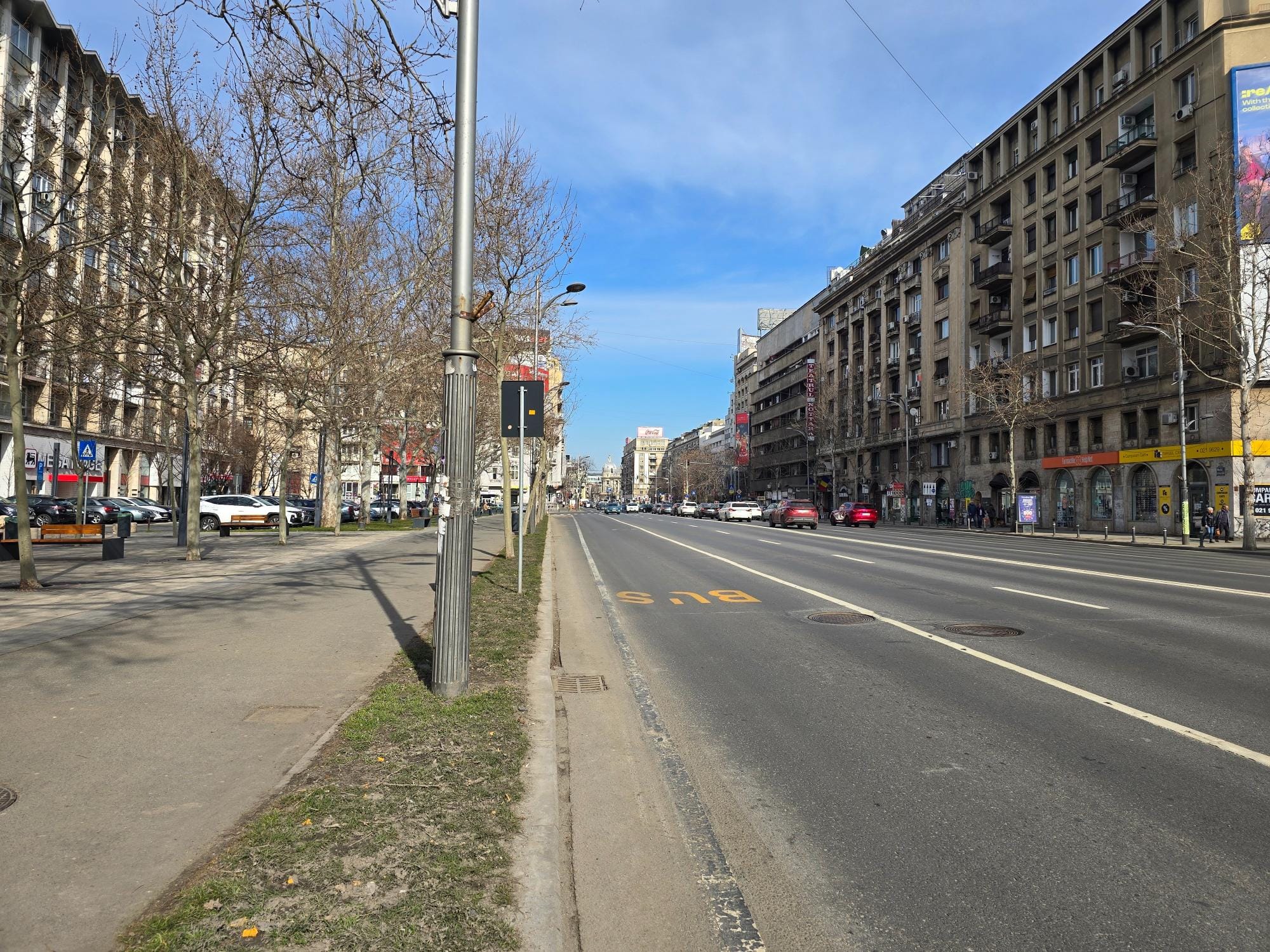
The most elegant avenue in the city. Initially a commercial road (17th century), then an aristocratic promenade. Full of palaces, historic hotels and luxury shops. Today it is one of the most popular areas for walks. Bucharest’s “royal artery”.
Magheru Boulevard
Symbol of interwar modernism. Built in the 1930s. Architecture influenced by Art Deco and Bauhaus styles. Considered one of the most modern boulevards in Europe at the time. Retro-urban vibe, very different from the rest of the city.
Unirii Boulevard
Romania’s version of the Champs-Élysées. Built during the communist period by Nicolae Ceaușescu. Connects the Palace of the Parliament to Unirii Square. Very wide boulevard, designed for parades. Symbol of grandeur and control of the communist regime.
Unirii Square
One of the most important intersections in the city. Meeting point of several major boulevards. Heavily renovated during the communist period. Close to the Old Town and the Dâmbovița River. Key point for navigating the city.